Stamps and Stories Great Britain, Austria-Hungary and Czechoslovakia to 1945

Postage stamps

Eastern Silesia · 71 stamps

What do the value dots mean?Common< 5Low5 – 50Medium50 – 500High500 – 5 000Exceptional5 000 +left column mint, right column used · USD, catalogue

1920

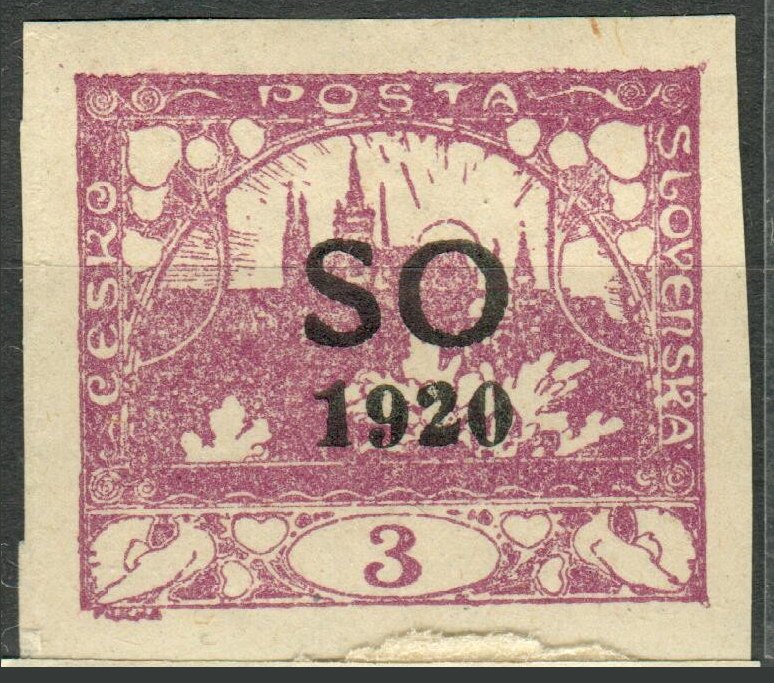
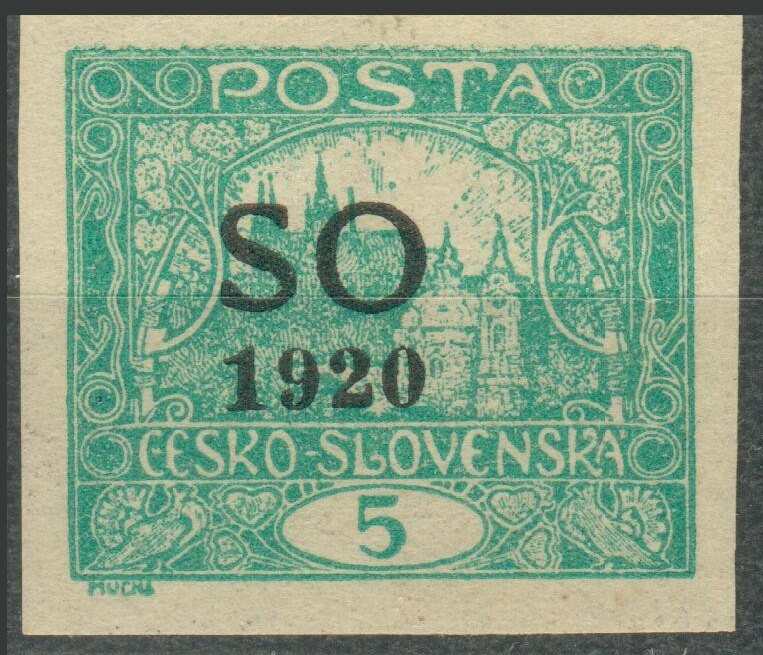
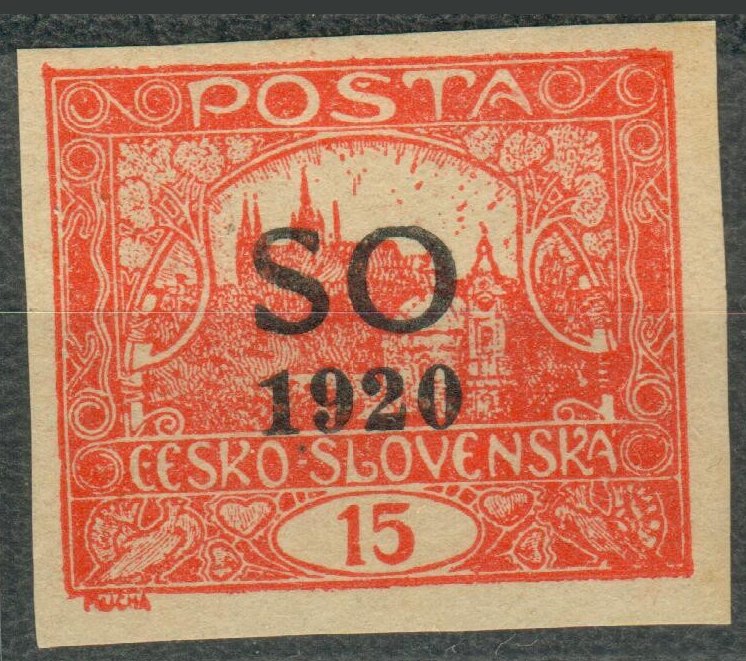
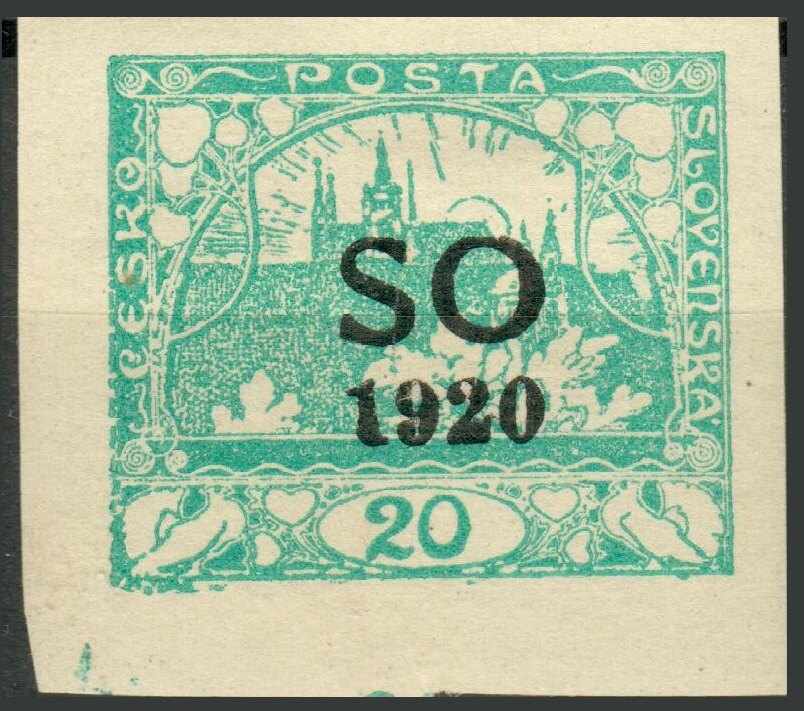
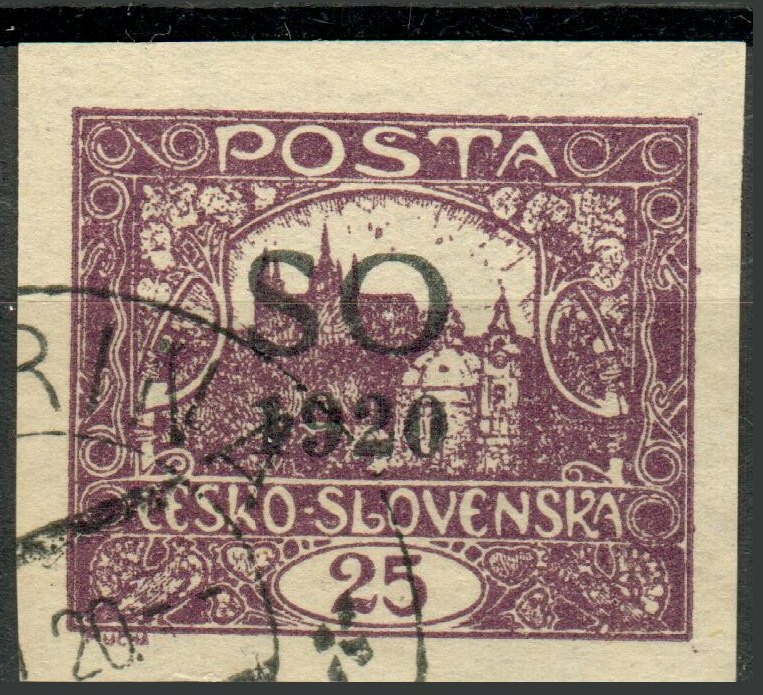
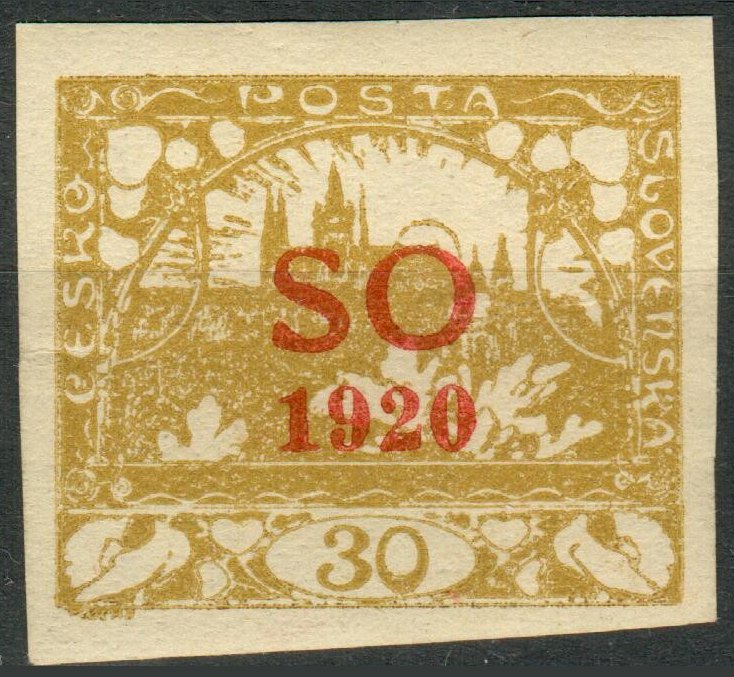
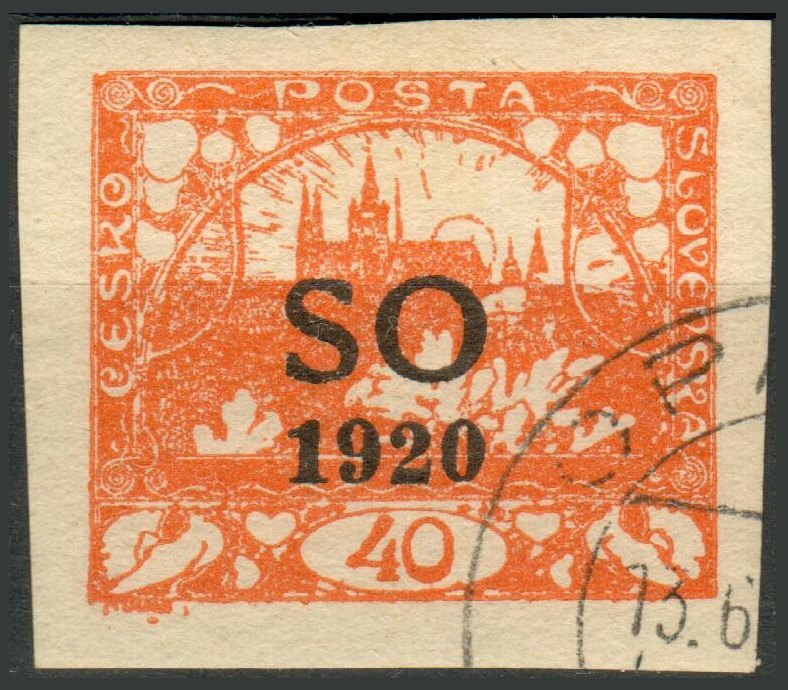
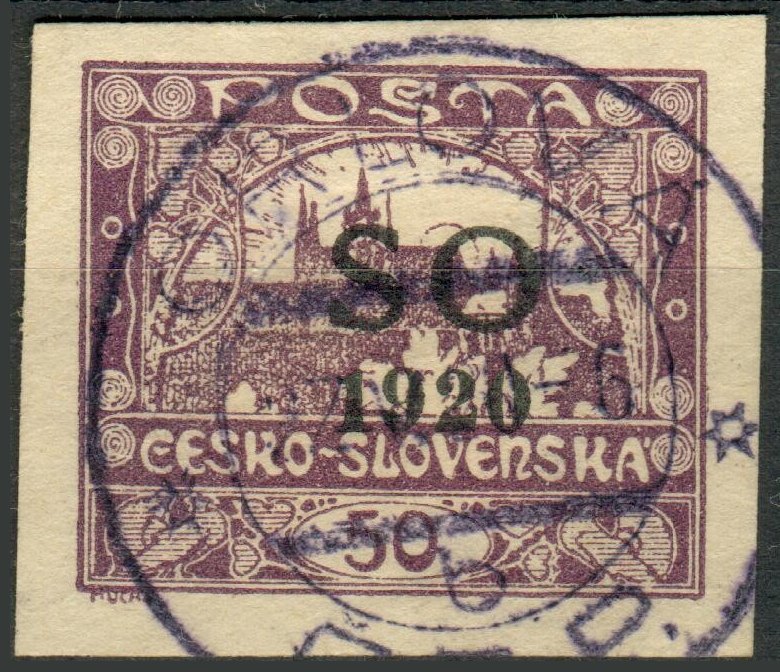
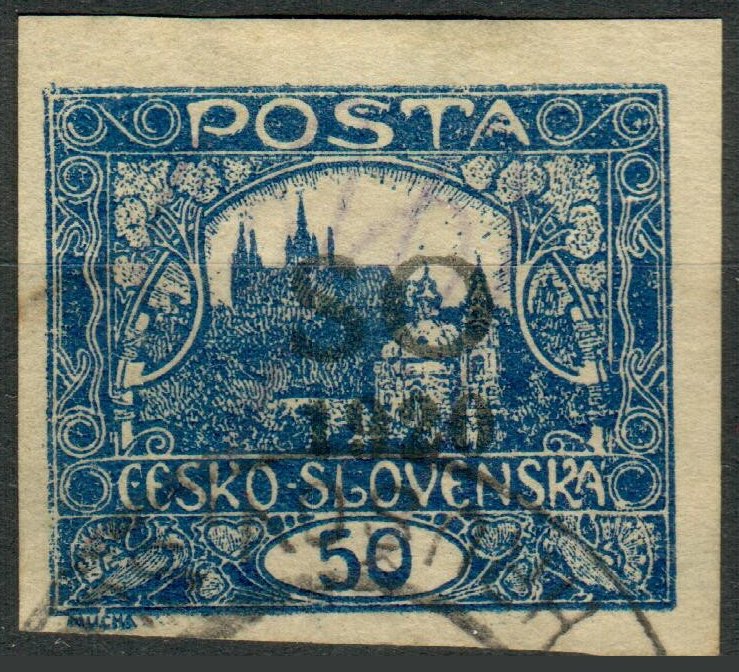
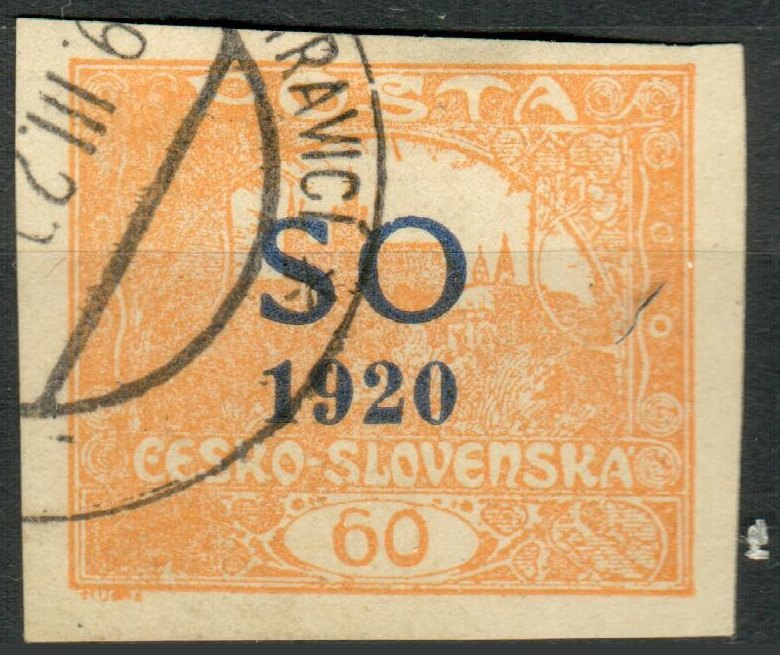
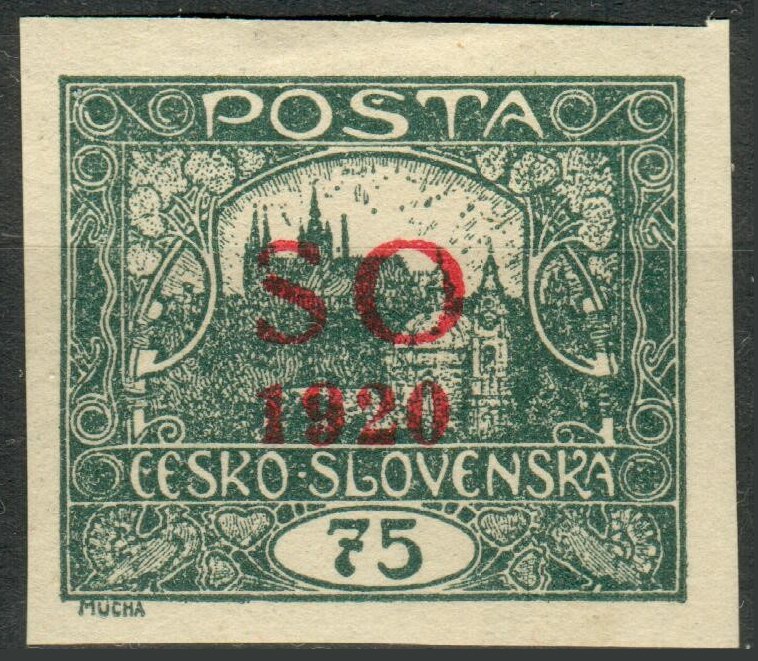
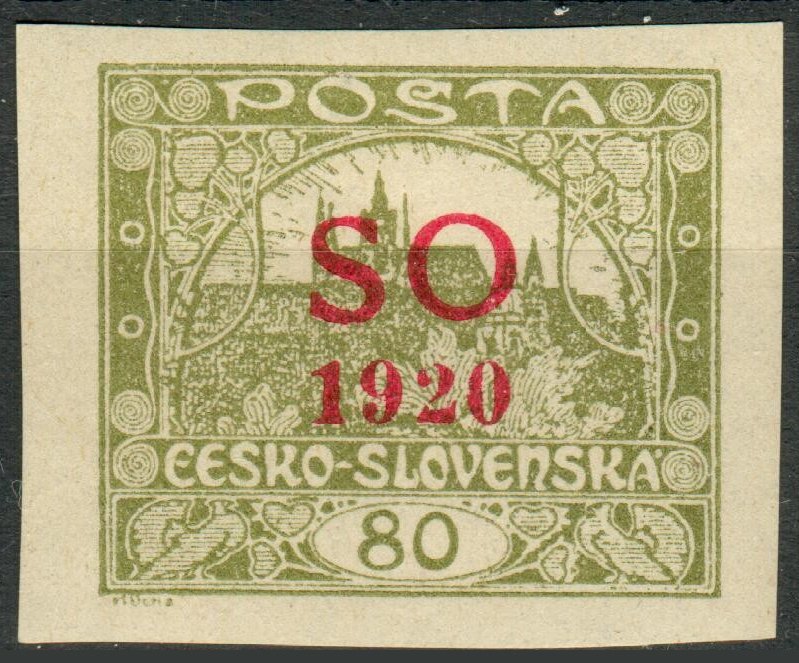
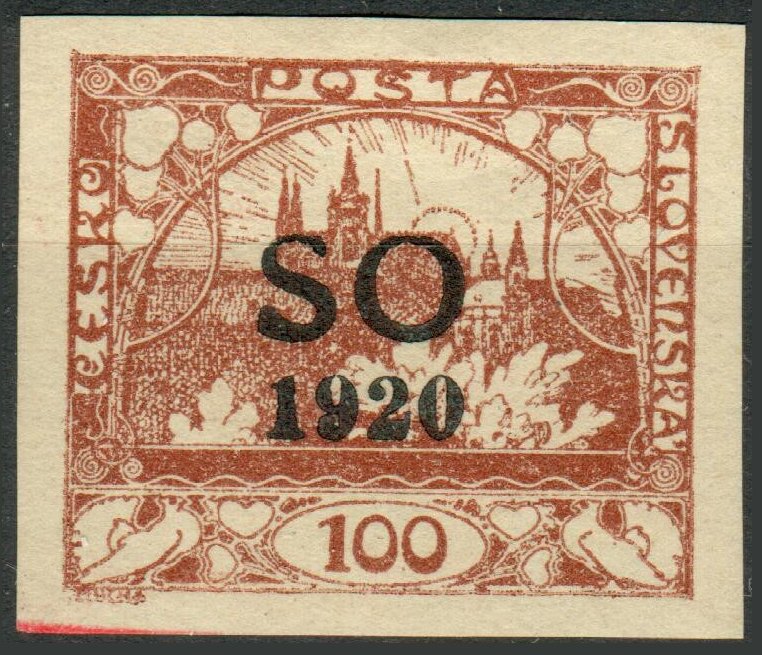
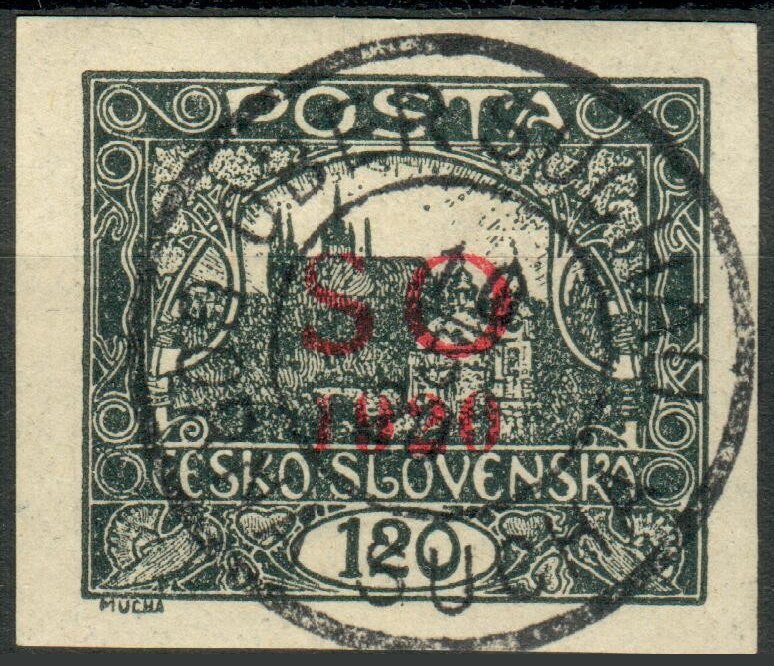
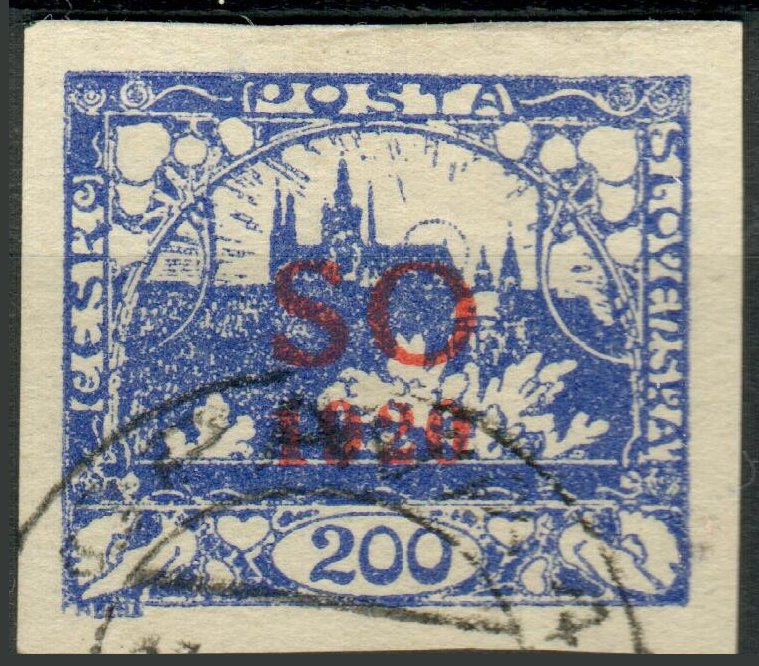
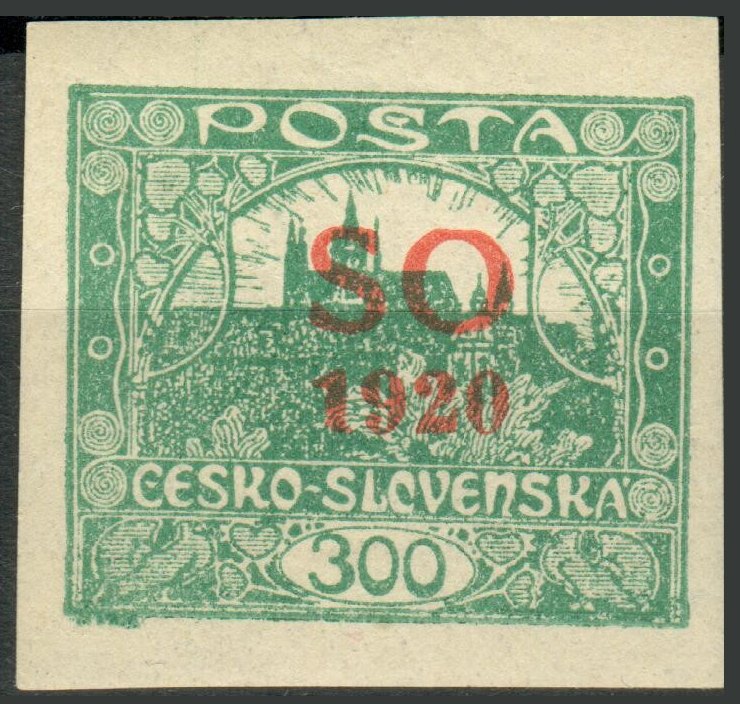
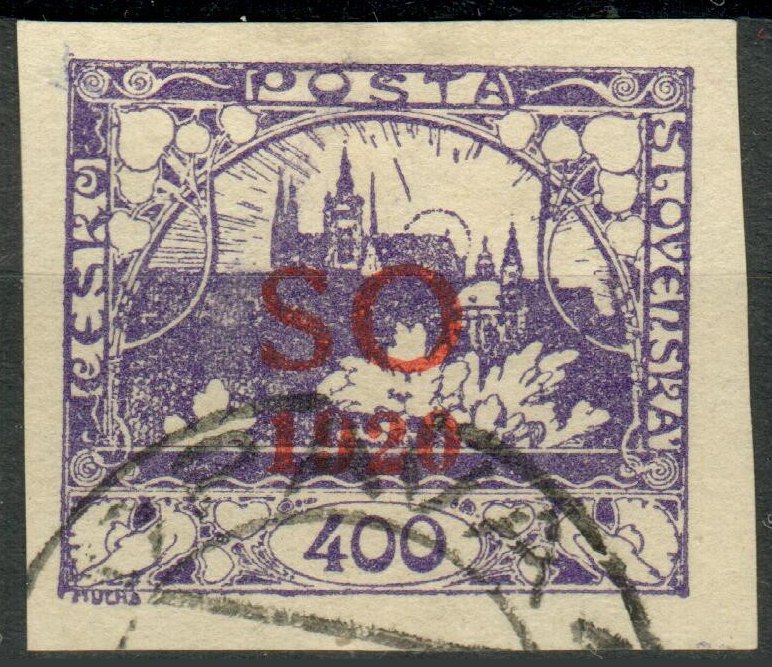
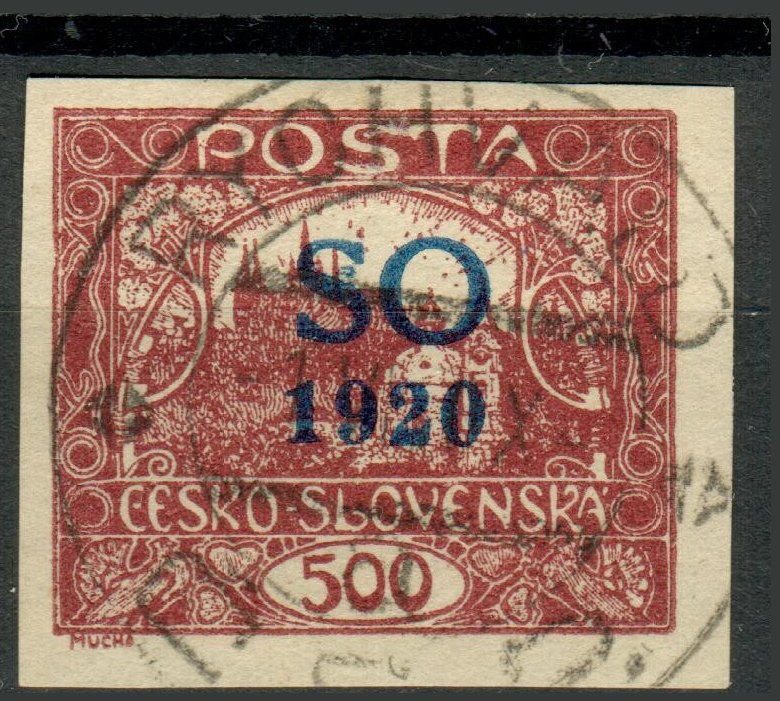
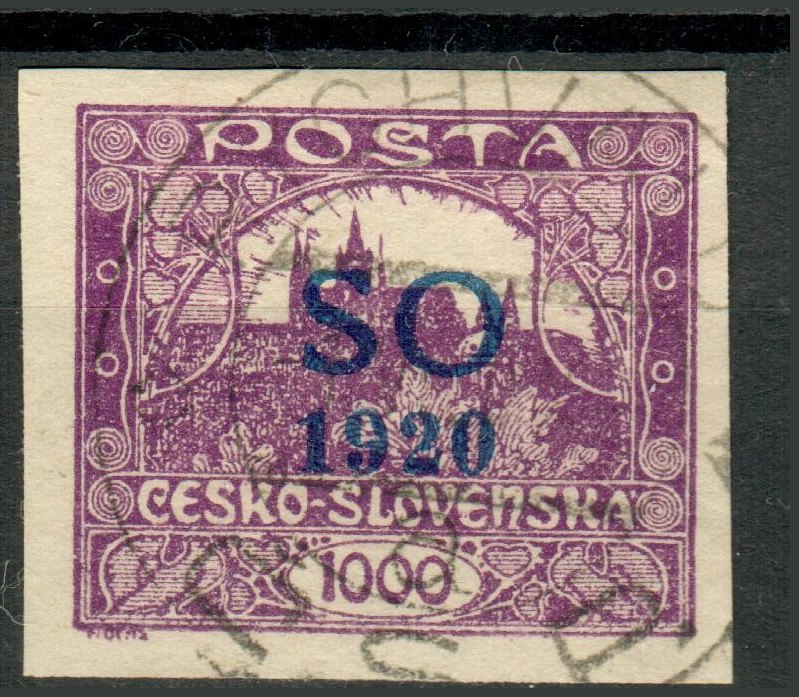
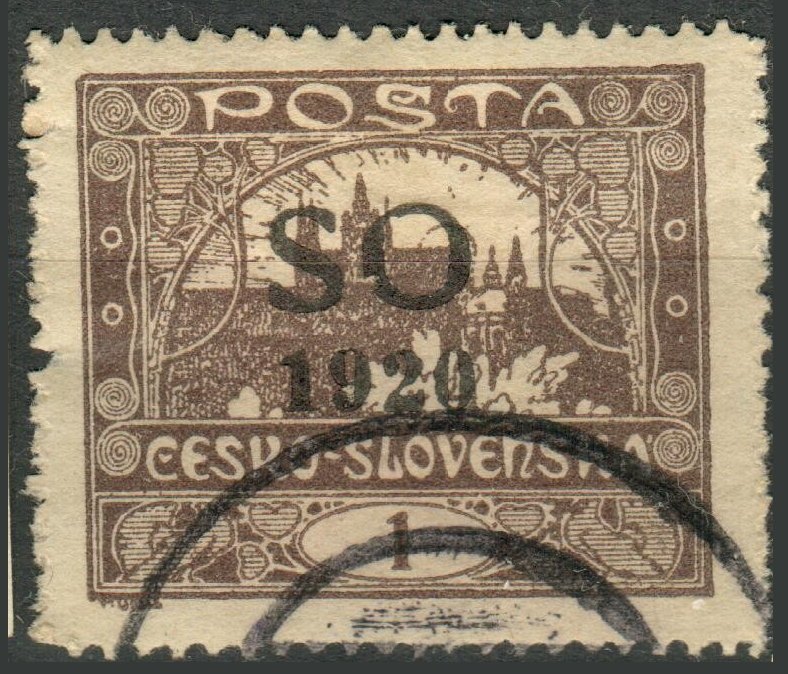
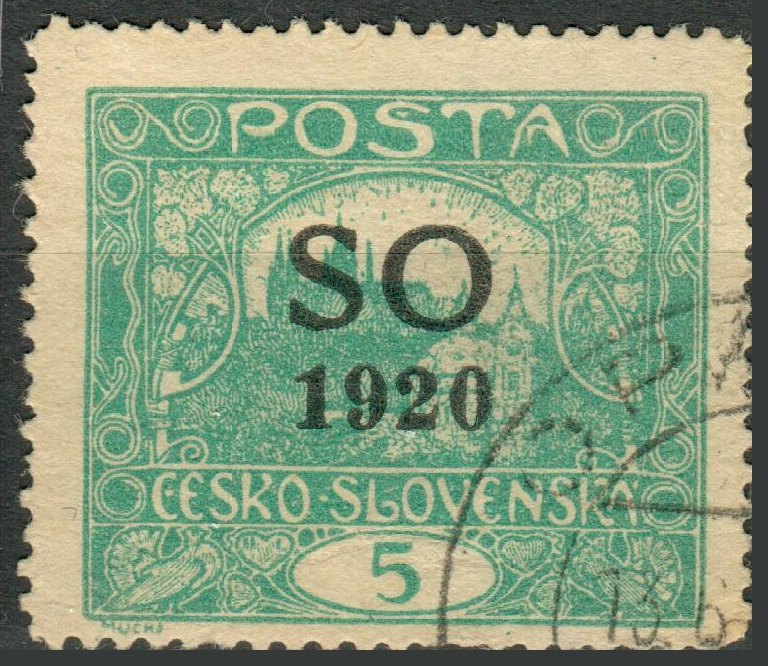
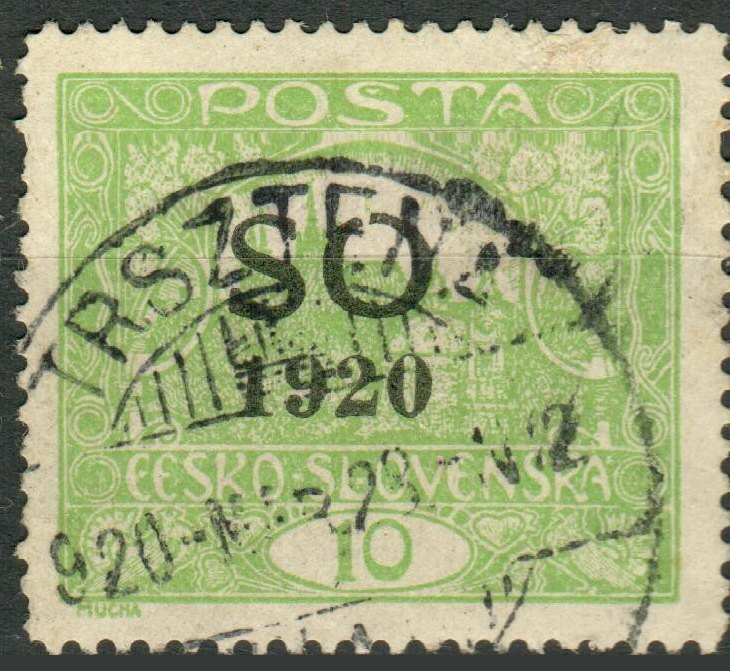
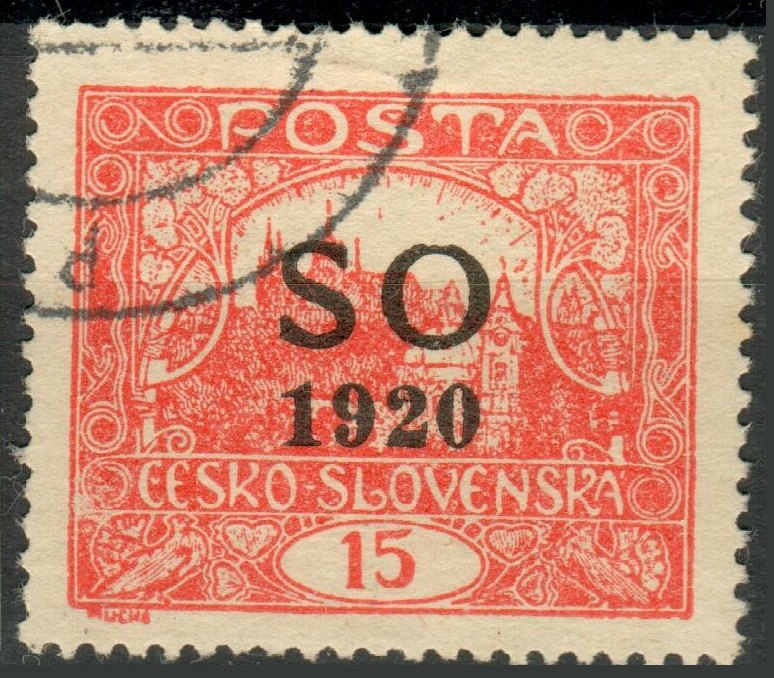
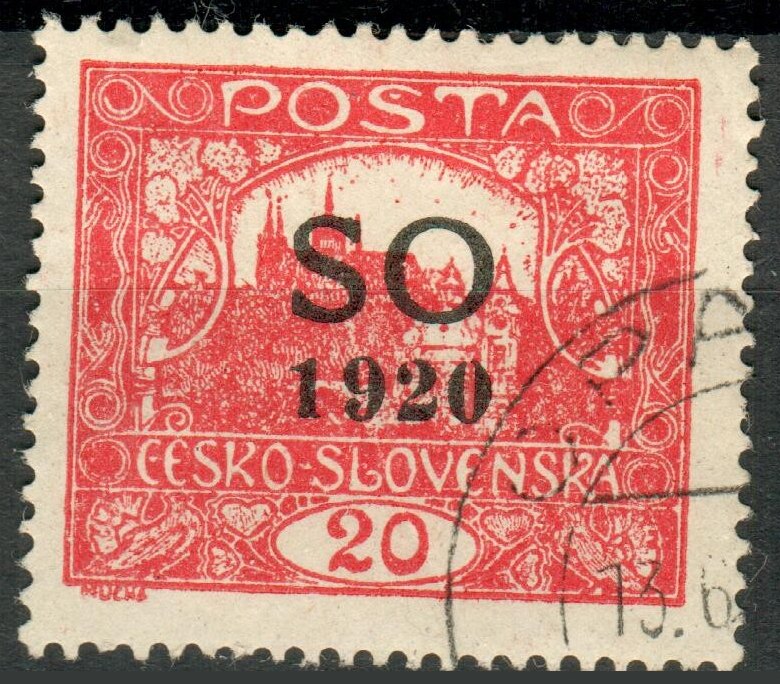
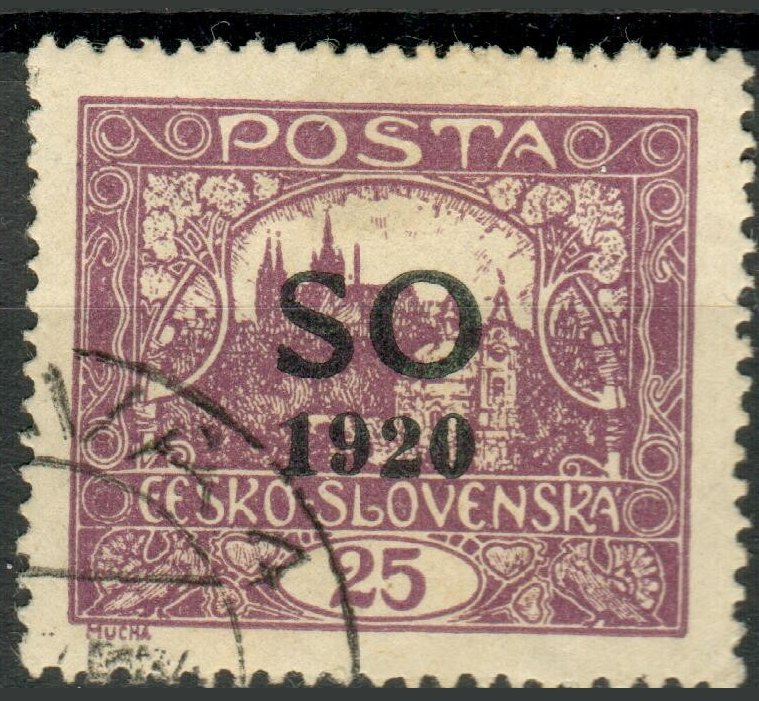
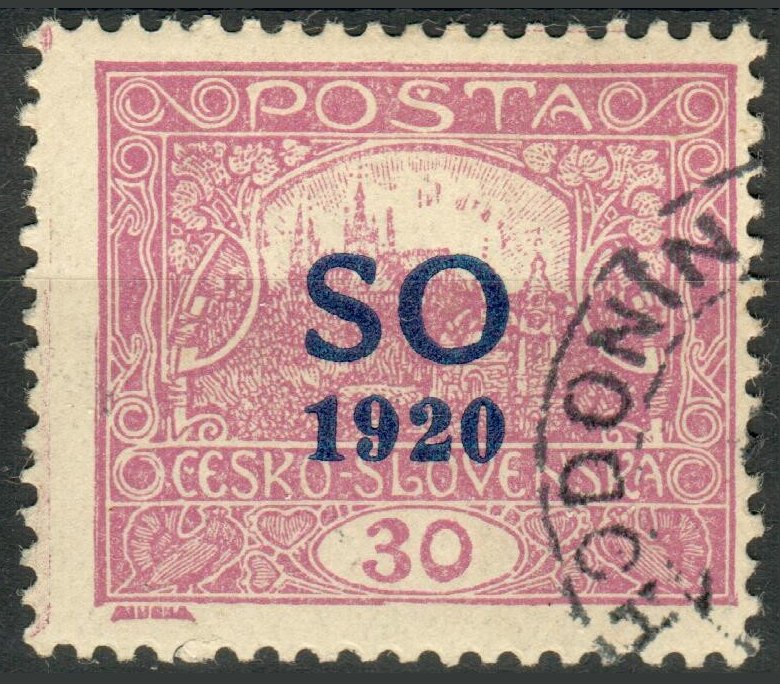
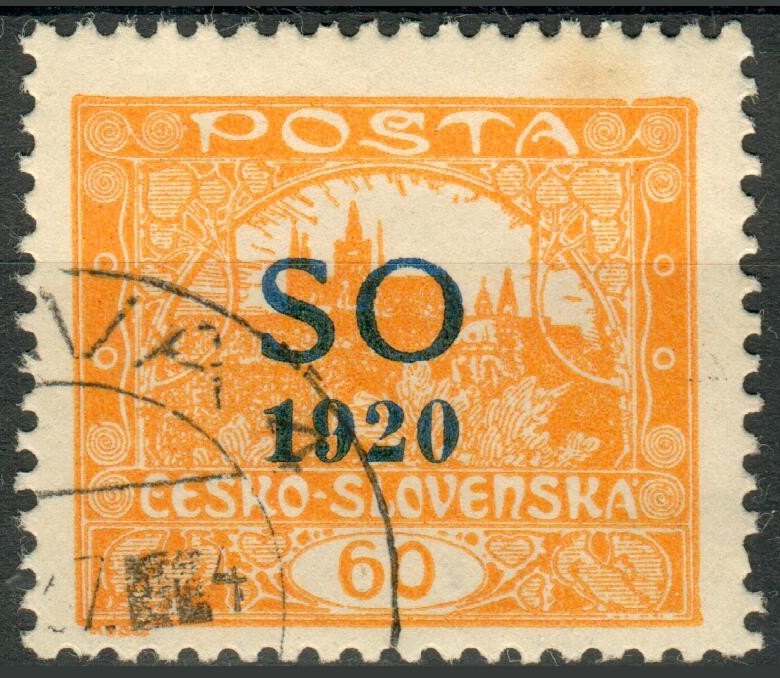
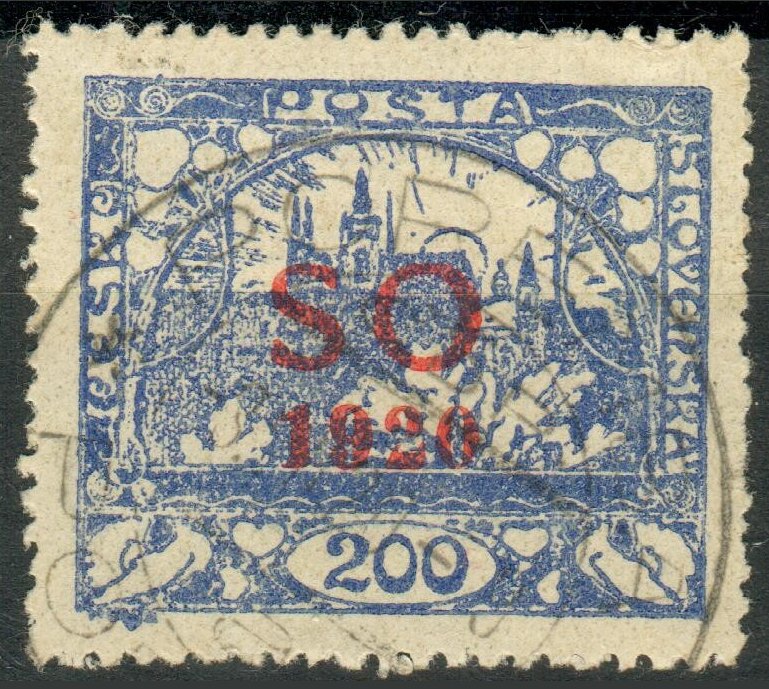
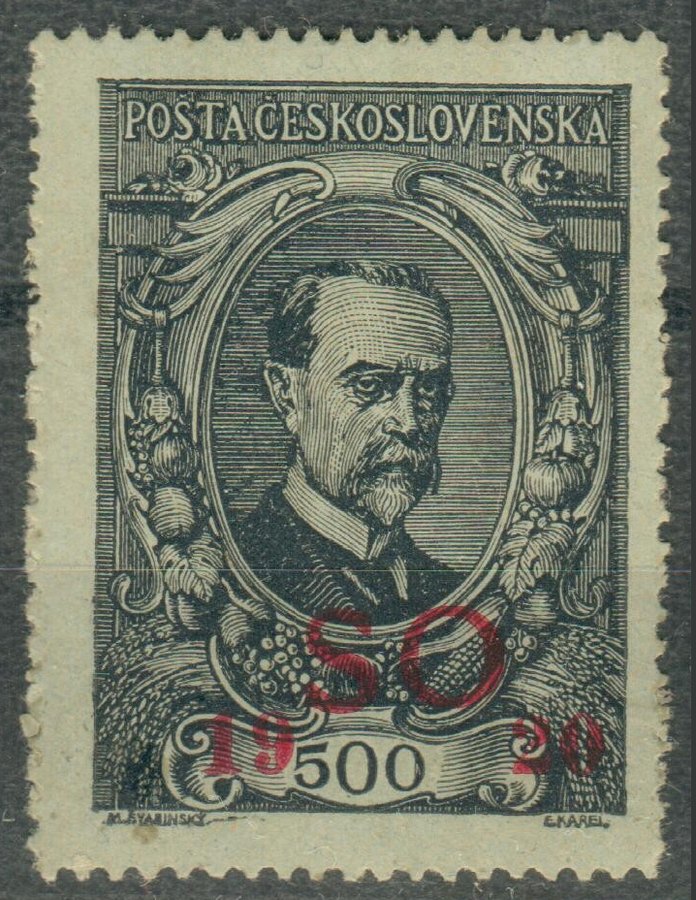
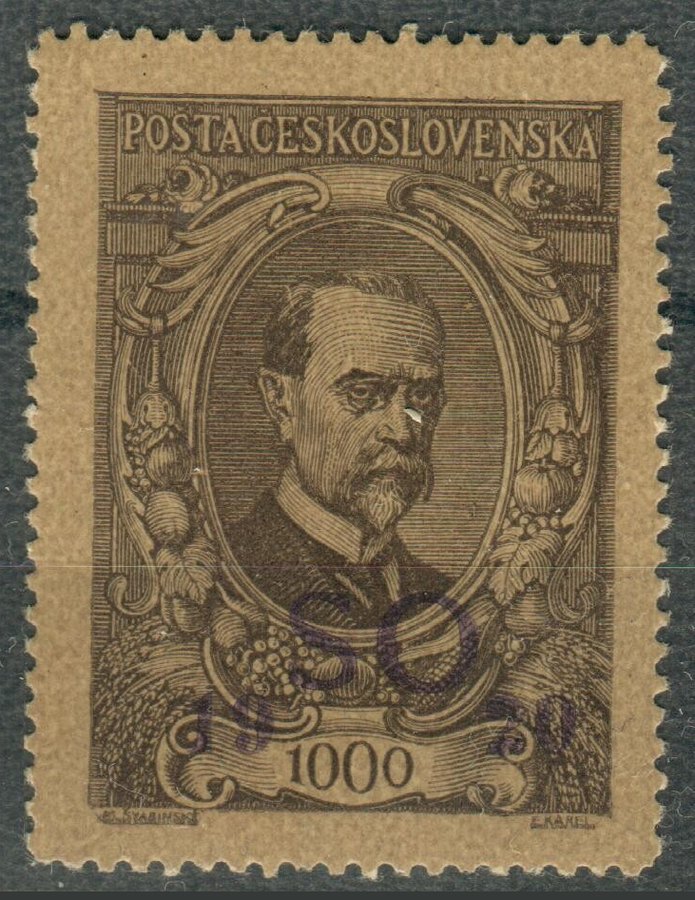
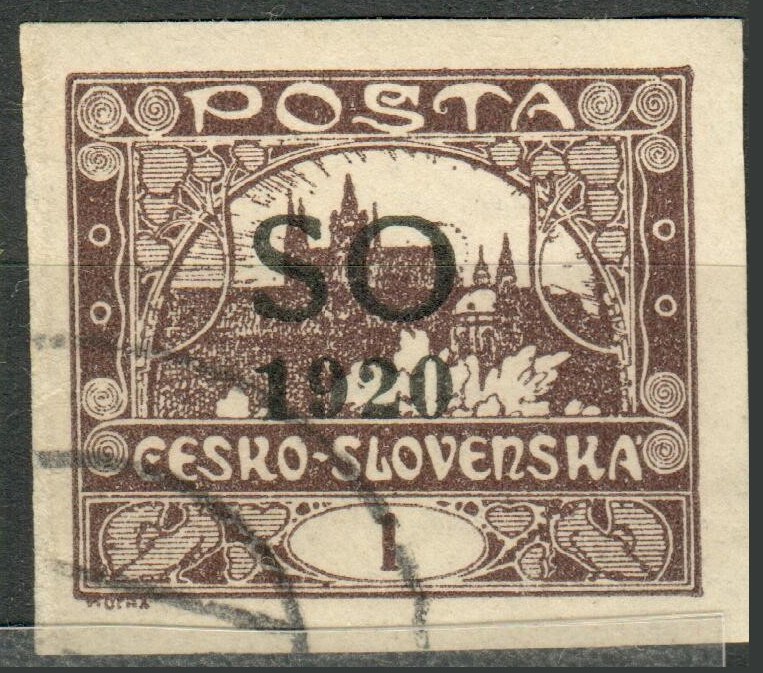
1920 Czechoslovakian Postage Stamps Overprinted "SO 1920"

After 1918 both Czechoslovakia and Poland claimed the Těšín region. For the planned plebiscite both countries overprinted their stamps S.O. 1920 – Silésie Orientale, Eastern Silesia – and they were in use from February to September 1920.

Read more

The vote never took place: the border was settled by the powers on 28 July 1920.

Sources: Wikipedia: Eastern Silesia, znamky.cz: SO 1920
No. 1
1
No. 2
2
No. 3
3
No. 5
5
No. 6
6
No. 8
8
No. 9
9
No. 10
10
No. 11
11
No. 12
12
No. 13
13
No. 14
14
No. 15
15
No. 16
16
No. 17
17
No. 18
18
No. 19
19
No. 20
20
No. 21
21
No. 22
22
SWPofisTypeValueColourPrintedMintUsed
1SO1A1 H515 000
2SO2A13 H470 000
3SO3A25 H
4SO4A310 H
5SO5A415 H
6SO6A520 H
7SO7A620 H
8SO8A725 H
9SO9A830 H
10SO11A940 H250 000
11SO12A1050 H
12SO13A1150 H
13SO14A1260 H
14SO15A1375 H220 000
15SO16A1480 H230 000
16SO17A15100 H280 000
17SO18A16120 H160 000
18SO19A17200 H
19SO20A18300 H180 000
20SO21A19400 H170 000
21SO22A20500 H160 000
21A*SO22 aA21500 H
22SO23A221000 H120 000
22A*SO23 aA231000 H
1‑22

1920 Czechoslovakian Postage Stamps Overprinted "SO 1920" - Perforated

No. 1A
1A
No. 3B
3B
No. 4B
4B
No. 5C
5C
No. 7B
7B
No. 8C
8C
No. 9A
9A
No. 13A
13A
No. 18A
18A
SWPofisTypeValueColourMintUsed
1ASO1 BA241 H
3ASO3 CA255 H
3BSO3 BA265 H
3CSO3 AA275 H
4ASO4 CA2810 H
4BSO4 BA2910 H
4CSO4 AA3010 H
5ASO5 EA3115 H
5BSO5 DA3215 H
5CSO5 BA3315 H
5DSO5 AA3415 H
7ASO7 BA3520 H
7BSO7 AA3620 H
8ASO8 CA3725 H
8BSO8 DA3825 H
8CSO8 AA3925 H
9ASO10 CA4030 H
13ASO14 CA4160 H
13BSO14 AA4260 H
18ASO19 AA43200 H

1920 Czechoslovakian Postage Stamps Overprinted "SO 1920"

Issued
February
Watermark
None
Perforation
13
Sheet size
100
Design
Max Švabinský
Engraver
E. Karel
No. 23
23
No. 24
24
SWPofisTypeValueColourPrintedMintUsed
23SO24B500 Hblack5 000
24SO25B11000 Hbrown5 000
23‑24

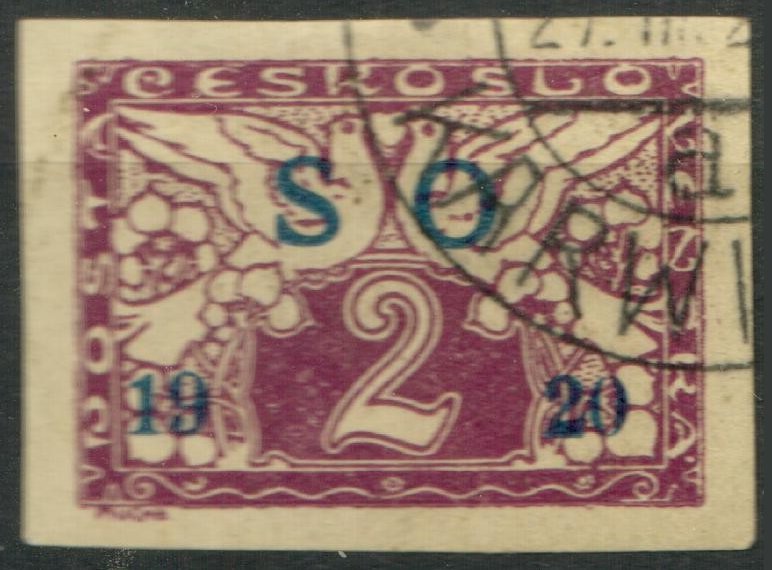
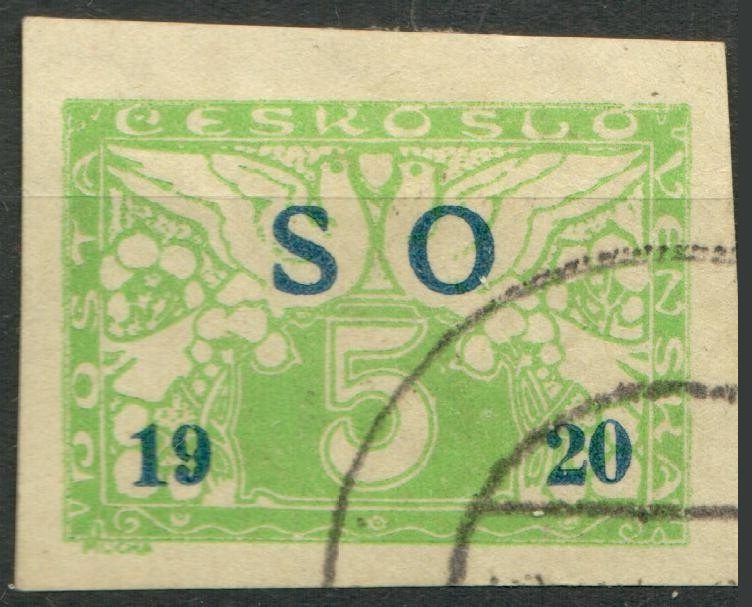
1920 Czechoslovakian Express Stamps Overprinted "SO 1920"

Two imperforate express stamps by Alfons Mucha, the 2 and 5 h on pale yellow paper, also received the SO 1920 overprint, in blue or black – specialists distinguish several shades of the blue.

Read more

380,000 of the 2 h and 300,600 of the 5 h were overprinted. The issue dates are unknown, and so few genuinely carried covers exist that the period of use is hard to establish; the earliest known date, 13 March 1920, comes from a philatelic cover.

Sources: Burda Auction: SO 1920

No. 25
25
No. 26
26
SWPofisTypeValueColourPrintedMintUsed
25SO26B22 H380 000
25A*SO26 aB32 H
26SO27B45 H300 600
26A*SO27 aB55 H
25‑26

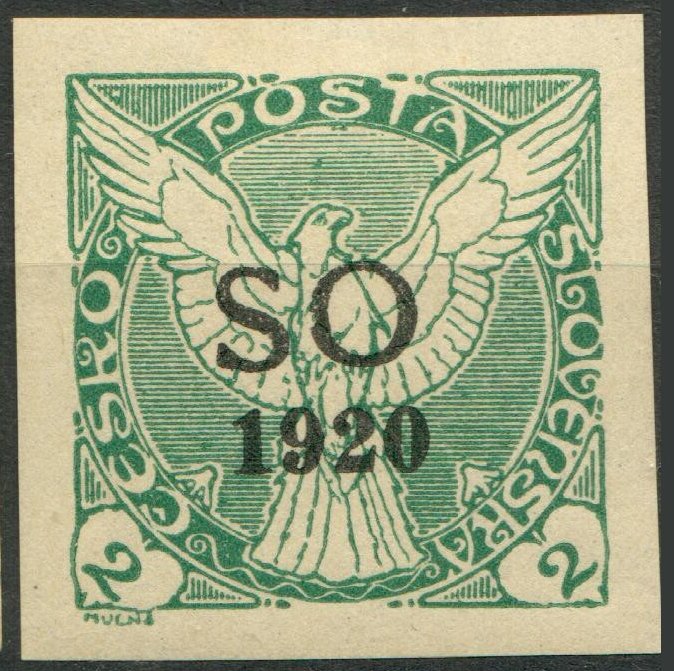
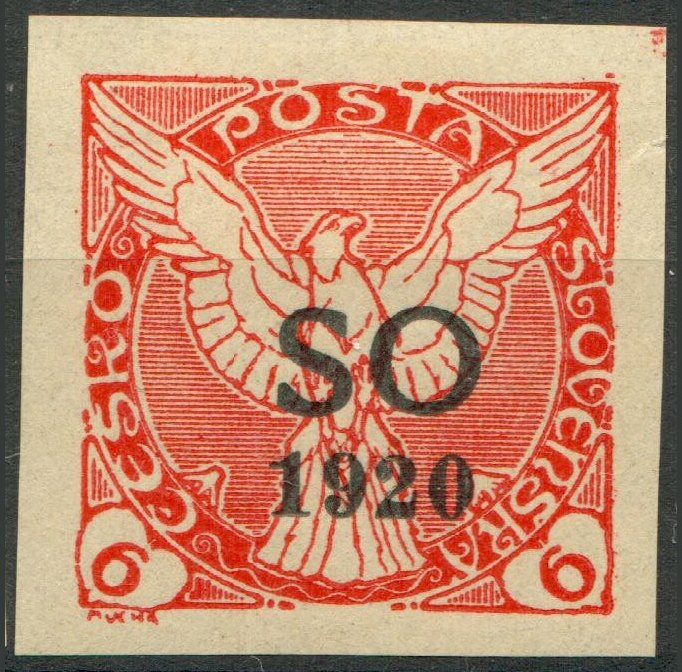
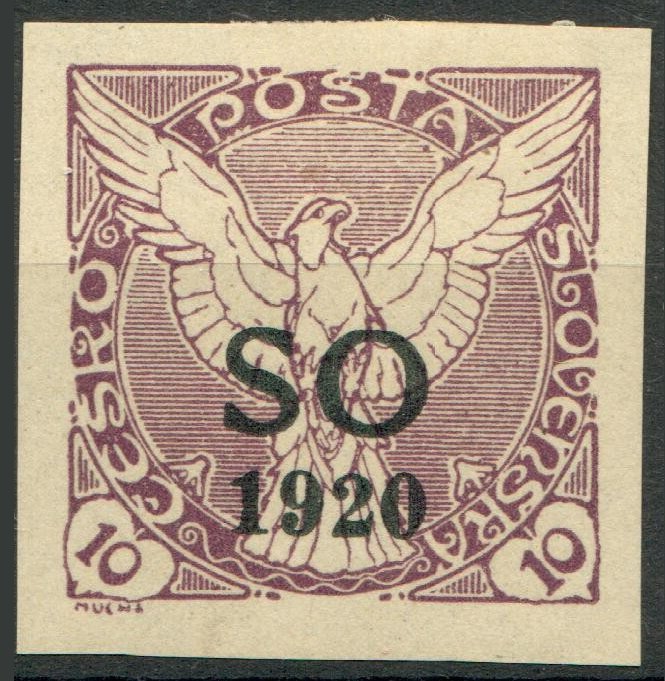
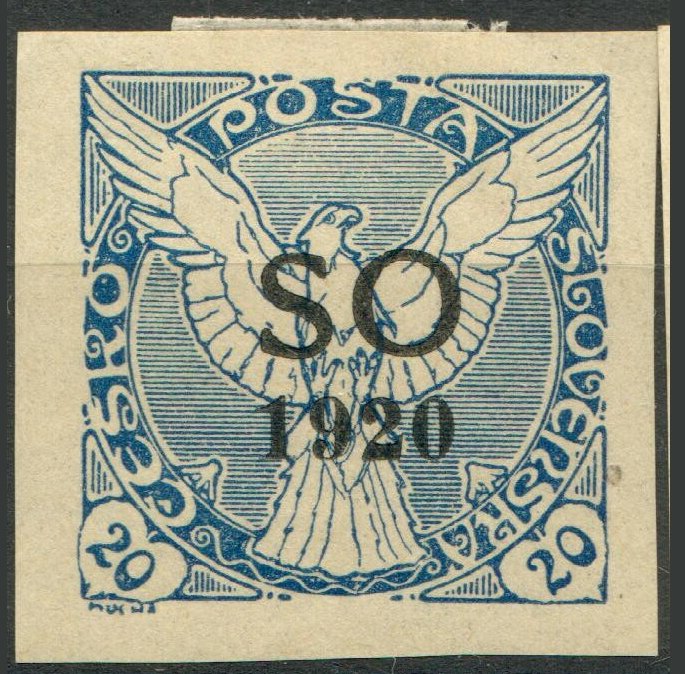
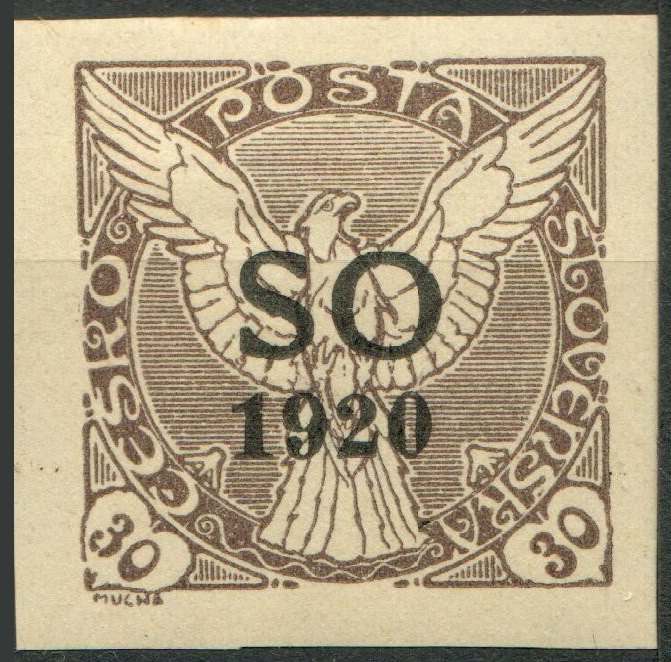
1920 Czechoslovakian Newspaper Stamps Overprinted "SO 1920"

Mucha's flying-falcon newspaper stamps were overprinted SO 1920 as well. The Czechoslovak overprints were issued from 13 February 1920 and were valid only at Czechoslovak post offices in the plebiscite area, until 10 August 1920.

Read more

The one exception was the post office of the Czechoslovak prefecture in Těšín, which lay in the Polish part of the town: from April 1920 it served both the prefect and the International Plebiscite Commission, and its mail was taken by car via Moravská Ostrava to the railway station at Svinov.

Sources: Lubor Kunc: Eastern Silesia 1918–1920 (Czechoslovak Specialist 5/2000), Burda Auction: Novinové (ČSR I.), Wikipedie: Seznam poštovních známek Československa 1918–1939

No. 27
27
No. 28
28
No. 29
29
No. 30
30
No. 31
31
SWPofisTypeValueColourPrintedMintUsed
27SO28A442 H540 000
28SO29A456 H220 000
29SO30A4610 H170 000
30SO31A4720 H160 000
31SO32A4830 H160 000
27‑31

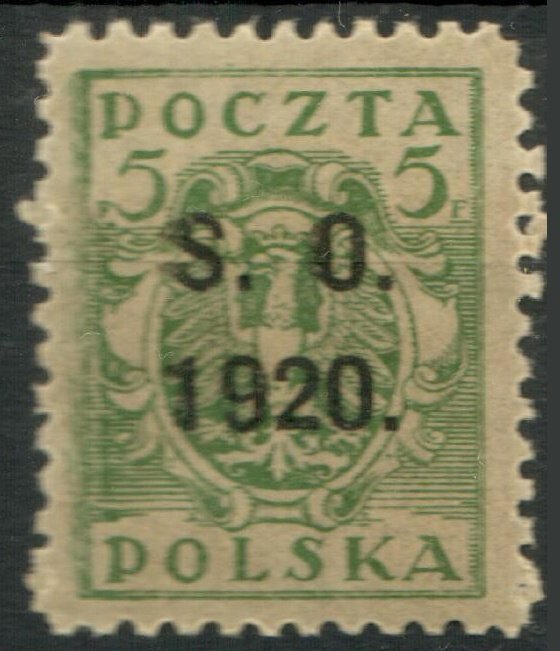
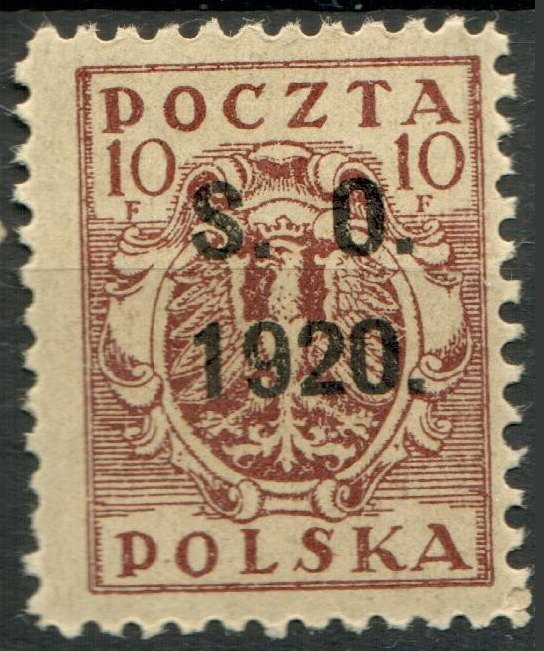
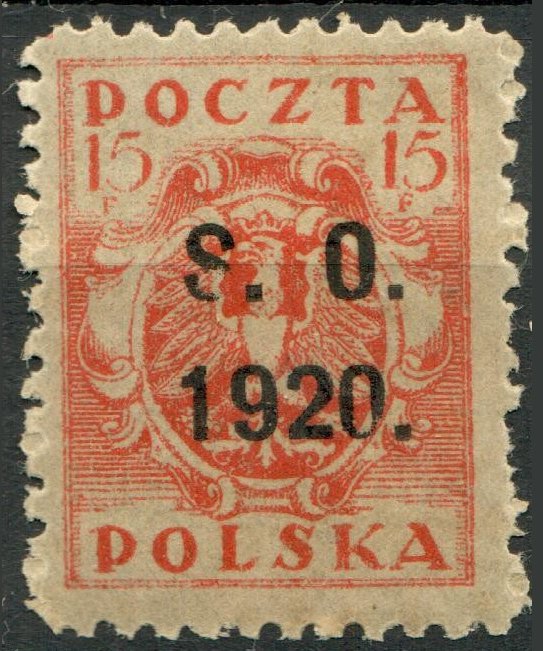
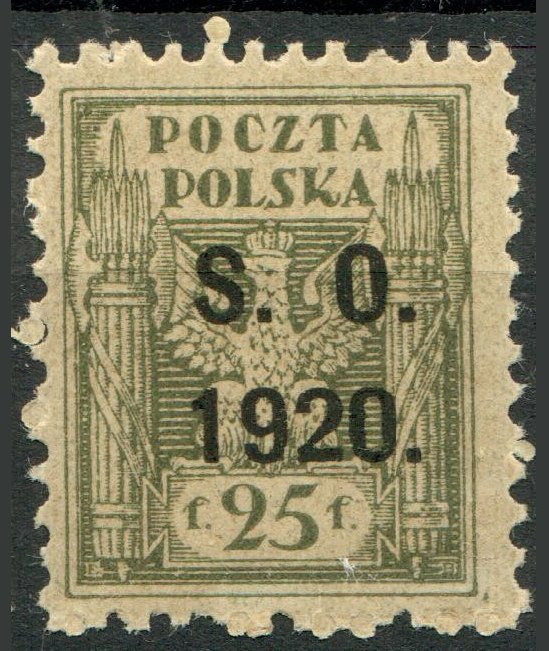
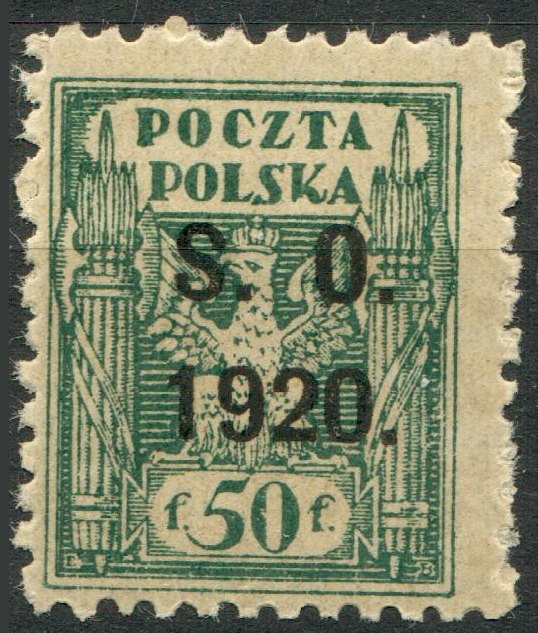
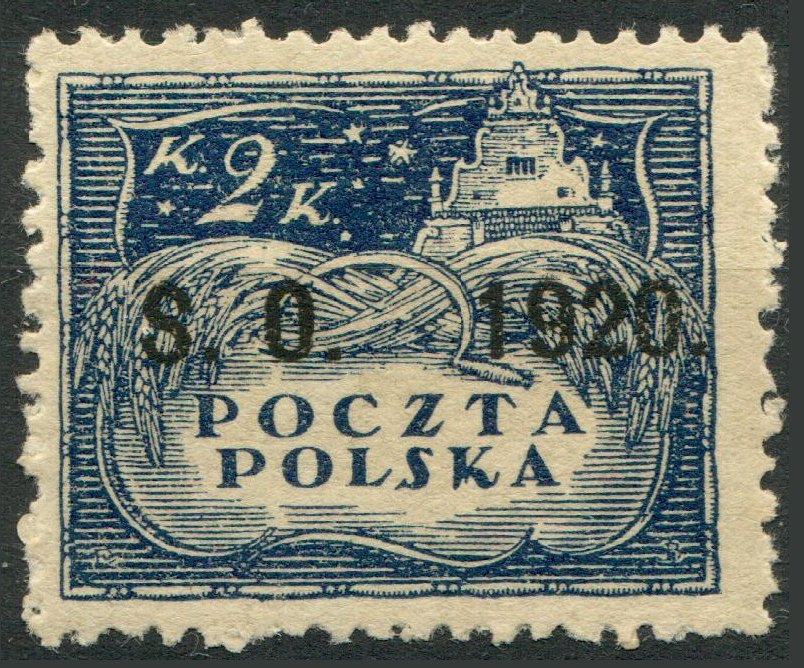
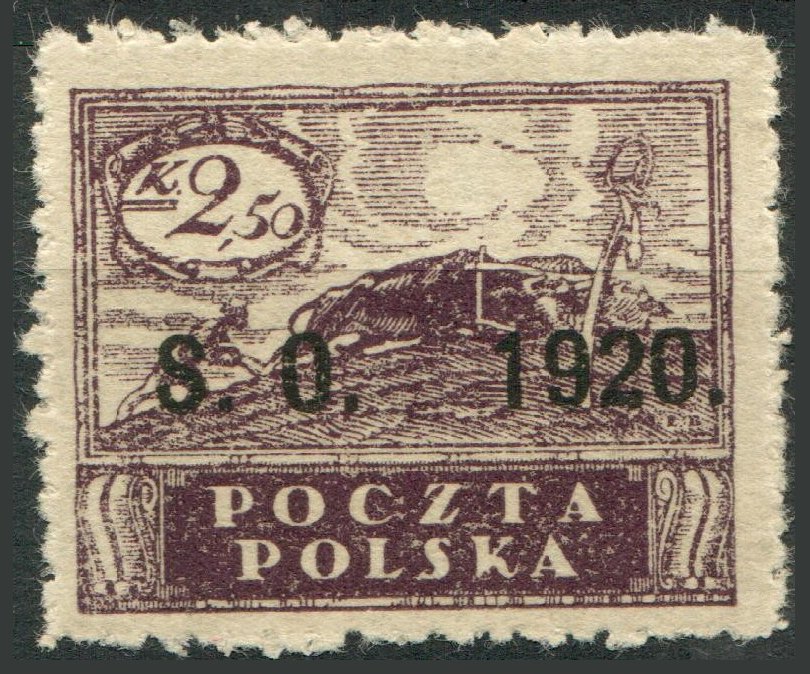
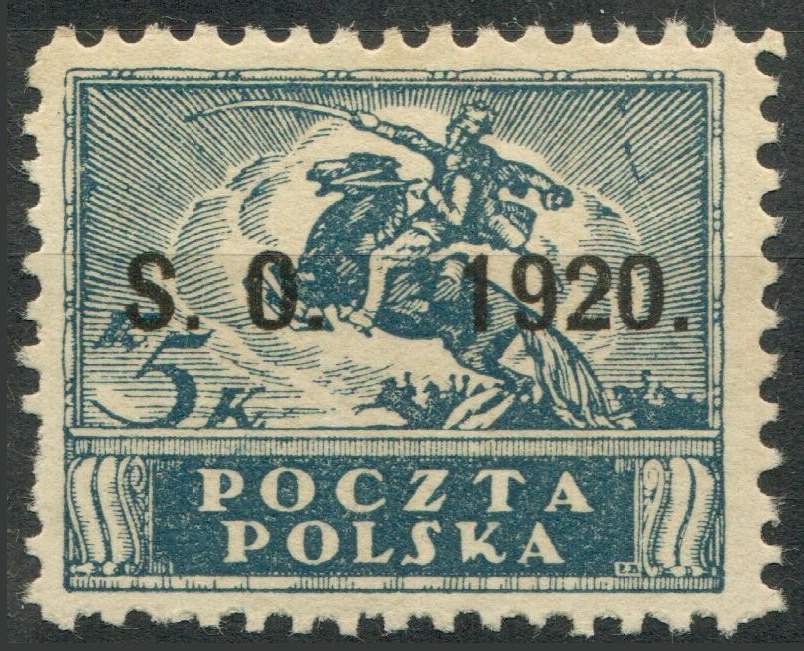
1920 Polish Stamps Overprinted "S. O. 1920." - Silésie Orientale

Perforation
11½

The Polish side wanted stamps of its own for the plebiscite area, with patriotic Cieszyn subjects such as the town's main square. The National Council of the Duchy of Cieszyn (Rada Narodowa) approved the proposal on 2 January 1920, but the Warsaw government confirmed it only on 3 February; because of the delay the Allied commission stopped the issue and ordered ordinary Polish stamps to be overprinted in the same way as the Czechoslovak ones.

Read more

The ten-stamp S.O. 1920 series – five fenig and five crown values – appeared on 15 April 1920 and was valid at Polish post offices in the plebiscite area until 10 September 1920.

Sources: Lubor Kunc: Eastern Silesia 1918–1920 (Czechoslovak Specialist 5/2000), Wikipedia (pl): Historia znaczków pocztowych na ziemiach polskich, Wojtek z Roztoki: S.O. 1920

No. 32
32
No. 33
33
No. 34
34
No. 35
35
No. 36
36
SWTypeValueColourMintUsed
32C5 F
33C110 F
34C215 F
35C325 F
36C450 F
32‑36

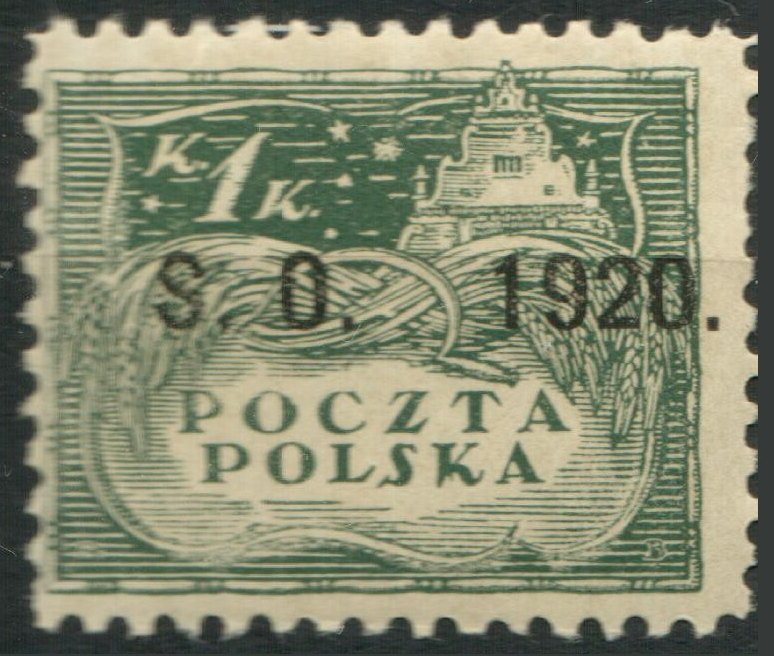
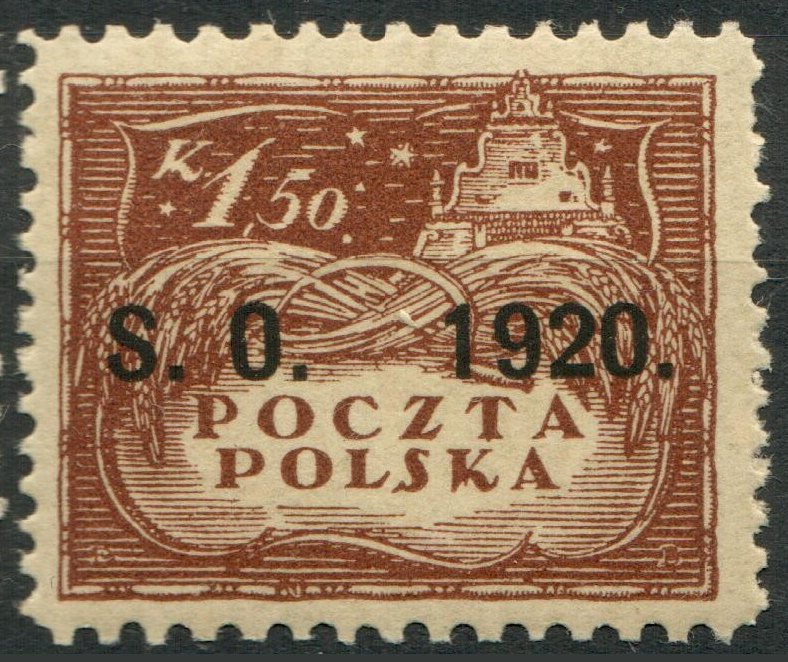
1920 Polish Stamps Overprinted "S. O. 1920." - Silésie Orientale

Perforation
11½

The higher, crown values of the Polish S.O. 1920 series were used at the same time as the Czechoslovak overprints, but never together: one side's stamps were not valid on the other's territory, so Polish and Czechoslovak S.O. 1920 stamps cannot be found on the same cover.

Read more

In the villages awarded to Czechoslovakia by the arbitration of July 1920, the Polish stamps were valid only until 10 August 1920. Těšín itself was split by the border: the centre with the Těšín 1 post office went to Poland as Cieszyn, and the part with the railway station and the Těšín 2 post office to Czechoslovakia as Český Těšín.

Sources: Lubor Kunc: Eastern Silesia 1918–1920 (Czechoslovak Specialist 5/2000), Wikipedia (pl): Historia znaczków pocztowych na ziemiach polskich

No. 37
37
No. 38
38
No. 39
39
No. 40
40
No. 41
41
SWTypeValueColourMintUsed
37D1 Kr
38D11.50 Kr
39D22 Kr
40D32.50 Kr
41D45 Kr
37‑41